
Induction heating has become an important part of modern industrial manufacturing because it offers fast, controlled, and energy-efficient heating. From metal forging and heat treatment to brazing, annealing, melting, and hardening, induction heating systems are used across a wide range of industries. However, the performance of an induction heating system depends heavily on the quality and design of its induction coil. Choosing the right induction coil manufacturers is therefore an important decision for businesses looking for consistent heating performance, longer equipment life, and reduced operating costs. A well-designed coil can improve heating uniformity, minimise energy losses, and support smoother production.
Let’s dive into this blog to explore the seven important factors to consider before choosing an induction coil manufacturer for your industrial application.
The right induction coil is the foundation of efficient, precise, and reliable industrial heating.
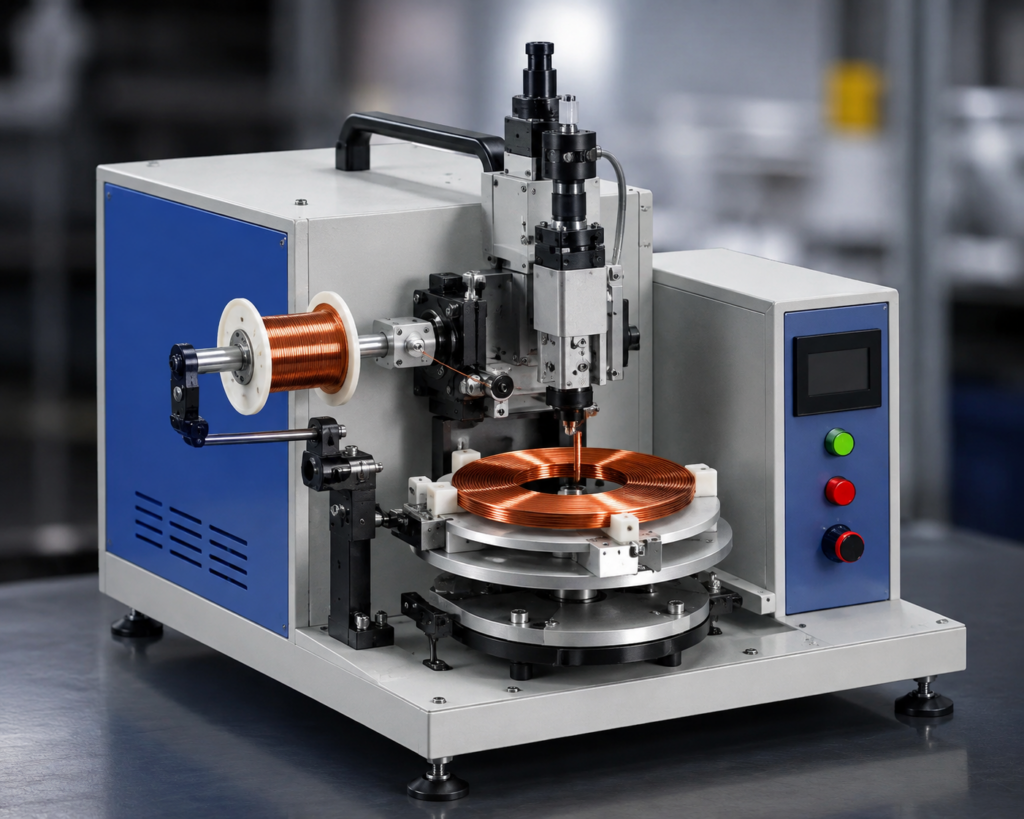
The manufacturers’ experience in designing and manufacturing induction coils must be one of the first considerations when evaluating the technology for induction heating. Induction heating is not a plug-and-play technology. It is possible to heat different metals, component shapes, heating temperatures, frequencies and production needs with different coil designs. A knowledgeable manufacturer will most likely be aware of these differences and know how to specifically address your application.
Every industrial application has different requirements. The same induction coil may be suitable for one component and might not be effective with another. When choosing a manufacturer, it is crucial to take the matter of customisation into consideration. The manufacturer of induction coils should be able to custom-design coils based upon the dimensions, shape, material and heating needs of your workpieces.
The design of the coil will vary from the heating of a shaft to a tube, a gear, a bearing, a plate or another component. Heating performance may be affected by many variables such as distance between the coil and workpiece, number of turns, arrangement of conductors and overall geometry. When choosing a manufacturer, inquire if they can customise or modify their coil construction to suit your production needs, rather than just providing a standard product.
The materials used to manufacture an induction coil directly affect its durability and performance. Since induction coils often operate under demanding industrial conditions, the quality of the conductor, insulation, connections, and cooling components matters considerably. Copper is commonly used for induction heating coils because of its excellent electrical conductivity. The coil should also be capable of handling repeated heating cycles without premature deformation or failure. However, the exact material selection and construction depend on the application.
Also Read This: Smart Reasons to Choose Induction Brazing Machine Manufacturers
Induction coils produce heat in the operating process, especially during continuous production in the factory. Therefore, good cooling is crucial to ensure that the coils perform their duty and don’t harm themselves. In many industrial induction coils, the heat is taken off the conductor in order to control its temperature through a water cooling system. It is necessary to design the cooling channel to a certain extent for it to discharge heat effectively during operation.
Ask manufacturers if their cooling design is suitable for your manufacturing setting. If appropriate, a good cooling system can help contribute to a coil’s life. This also helps to maintain the electrical characteristics over a long period of time. A manufacturer who knows thermal management can choose to design the coil to safely work under tough production times.
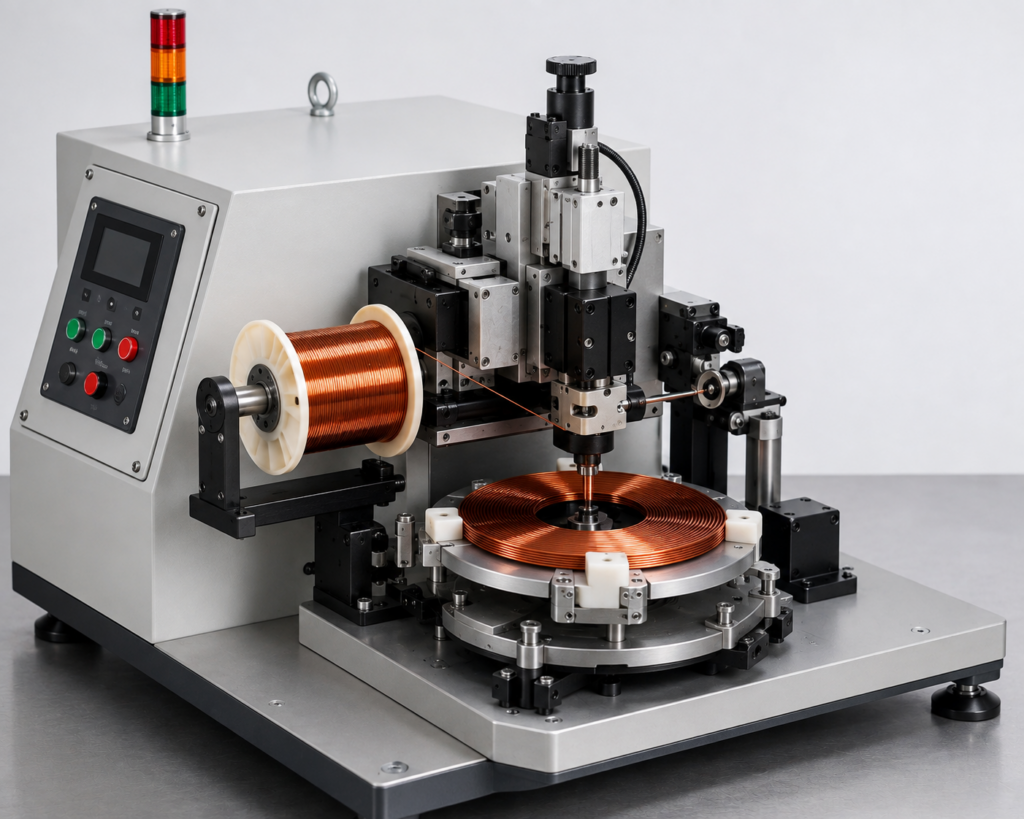
It is very important that precision be kept in manufacturing induction coils. Very slight variations in dimension can have an impact on the electromagnetic field and thus the heating pattern as well. If the space between the coil and the component is not appropriate, then it can affect its heating efficiency, for instance. Likewise, if you consider coils, it is possible to have uneven heating if the coils are not set at the same angle.
A manufacturer should have appropriate quality control in the manufacturing process. Testing procedures should also be investigated before accepting the product delivery. Systems of testing that are well planned are more likely to deliver a consistent product, especially from manufacturers who follow them. This is especially critical if coils are being used in high-volume production, where if the coils have variations in performance, this can impact a considerable number of components.
A second factor that has to be taken into consideration is compatibility. The selection of an induction coil cannot be done alone without taking into account the induction heating equipment to be operated. The coil should meet the requirements of the power supply, working frequency and the material, temperature and process of the workpieces. Before ordering, give the manufacturer as much tech info as possible.
Once the product is delivered, it is no longer considered a good relationship if it ceases between the user and the manufacturer of an induction coil. Industrial equipment may not be shut down, and sometimes maintenance, adjustment and technical support are needed. That’s why after-sales service should be one of the things that you consider before making your final decision. Having quick technical support can prevent unnecessary downtime in production. This can be particularly useful in sectors requiring heaters to be integrated into the production process. It’s also a good idea to see if the manufacturer can provide replacement coils/parts if necessary. To simplify future needs and production planning, there should be a reliable and trusted resource.
A well-designed induction coil can turn heating efficiency into a long-term competitive advantage.
The choice of your induction coil manufacturer can impact the overall performance of your manufacturing. A well-designed coil is designed not only to transfer heat to a component, but to do so in the most efficient manner. It affects heating rate, energy consumption, temperature uniformity, production reliability, and equipment reliability.
Selecting the right induction coil manufacturers is a critical part of ensuring efficient and reliable industrial heating. The quality of the coil may affect performance, including heating accuracy, energy efficiency, equipment uptime, maintenance costs, and so much more. Look for manufacturers who have technical experience, offer customisation options, utilise quality materials, and have effective cooling design, along with precision, compatibility with systems and after-sales support. Combining these factors will help you select a manufacturer that not only will offer you a product, but will also offer a solution that will be appropriate for your type of heating process.
Your best partner for all your induction heating needs like Hardening, Tempering, Annealing, Brazing, Forming, Shrink fitting, Curing etc


